Post
Stainless Steel vs Titanium Watches: Which Material is Better?
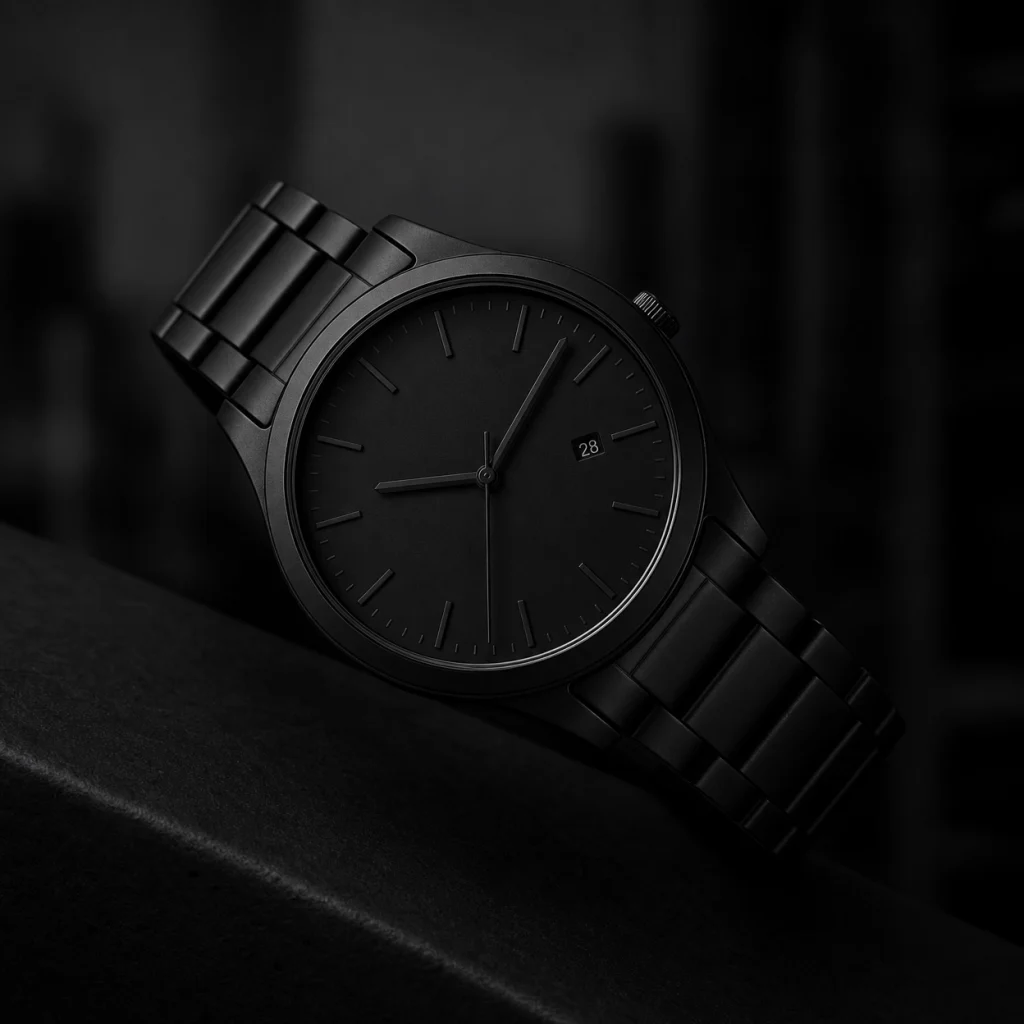
May
Stainless Steel vs Titanium Watches: Which Watch Material Is Better in 2026?
When buying a luxury watch or rugged tool watch, most collectors focus heavily on the brand, movement, or design.
However, one critical factor dramatically affects the entire ownership experience:
The watch case material.
The debate surrounding stainless steel vs titanium watches has become increasingly important among modern enthusiasts.
Both materials dominate the luxury watch market, yet they offer completely different experiences on the wrist.
Some collectors love the heavy, luxurious feel of stainless steel.
Others prefer the feather-light comfort and tactical aesthetic of titanium.
Understanding the strengths and weaknesses of both materials is essential before investing in your next timepiece.
This complete guide explores the major differences between stainless steel vs titanium watches, including durability, comfort, scratch resistance, aesthetics, corrosion resistance, and long-term ownership advantages.
Understanding Stainless Steel Watches
For decades, stainless steel has been the undisputed king of modern watchmaking.
The overwhelming majority of luxury sports watches are constructed from stainless steel because it offers an excellent balance of:
- Durability
- Affordability
- Luxury appearance
- Ease of finishing
- Long-term serviceability
Most luxury brands use:
- 316L stainless steel
Meanwhile, Rolex famously utilizes:
- 904L Oystersteel
These steel alloys provide excellent corrosion resistance while maintaining a brilliant polished appearance.
Advantages of Stainless Steel Watches
1. Premium Luxury Weight
One major reason collectors love stainless steel watches is their reassuring heft.
The weight of steel creates a strong psychological connection to quality and luxury.
Many enthusiasts associate heavier watches with:
- Solid craftsmanship
- Premium construction
- Luxury engineering
In the debate of stainless steel vs titanium watches, steel clearly delivers a more substantial wrist presence.
2. Superior Polishing and Finishing
Steel can achieve spectacular finishing effects.
Luxury brands use:
- Mirror polishing
- Brushed surfaces
- Satin textures
- Mixed finishing techniques
The contrast between polished and brushed steel surfaces creates the iconic appearance seen on many famous luxury watches.
This is one reason why stainless steel remains dominant in high-end sports watch design.
3. Easier Scratch Restoration
Although stainless steel can scratch during daily wear, restoring its finish is relatively straightforward.
Professional watchmakers can:
- Re-polish the case
- Re-brush surfaces
- Restore factory finishing
This makes steel highly practical for long-term ownership.
Understanding Titanium Watches
Titanium originated in aerospace engineering and advanced industrial applications.
Today, titanium has become increasingly popular in luxury watchmaking because of its:
- Light weight
- Extreme strength
- Excellent corrosion resistance
- Modern tactical appearance
Luxury watch brands commonly use:
- Grade 2 titanium
- Grade 5 titanium
Grade 5 titanium is stronger and often used in premium sports watches and professional dive watches.
Advantages of Titanium Watches
1. Incredible Lightweight Comfort
The biggest advantage in the stainless steel vs titanium watches debate is comfort.
Titanium is approximately:
- 40% lighter than stainless steel
This dramatically changes how a watch feels during daily wear.
Large titanium dive watches feel significantly more comfortable compared to steel equivalents.
Many collectors describe titanium watches as:
- Weightless
- Effortless to wear
- Perfect for all-day comfort
2. Exceptional Strength-to-Weight Ratio
Titanium possesses an extremely high strength-to-weight ratio.
This means titanium watches remain highly durable while maintaining minimal wrist weight.
Because of this property, titanium is widely used in:
- Aerospace engineering
- Military equipment
- High-performance racing
- Professional dive watches
3. Hypoallergenic Properties
Unlike stainless steel, titanium is completely hypoallergenic.
This makes titanium ideal for individuals with:
- Sensitive skin
- Nickel allergies
- Skin irritation from metal bracelets
For comfort-focused buyers, titanium can be a game-changing material.
4. Outstanding Corrosion Resistance
Titanium is highly resistant to:
- Saltwater
- Humidity
- Body sweat
- Harsh environments
This makes titanium especially attractive for:
- Dive watches
- Travel watches
- Outdoor adventure watches
Disadvantages of Titanium Watches
Despite its many advantages, titanium also has some important drawbacks.
1. Darker Appearance
Titanium has a noticeably darker and greyer appearance compared to stainless steel.
Some collectors love this stealthy tactical look.
Others feel titanium lacks the bright elegance associated with luxury steel watches.
2. Scratch Sensitivity
Grade 2 titanium scratches more easily than stainless steel.
Additionally, restoring titanium finishing requires specialized equipment and expertise.
This can make refinishing more expensive and difficult.
Direct Comparison: Stainless Steel vs Titanium Watches
| Feature | Stainless Steel | Titanium |
|---|---|---|
| Weight | Heavier and more substantial | Extremely lightweight |
| Comfort | Solid wrist presence | Exceptional all-day comfort |
| Appearance | Bright polished shine | Darker matte-grey finish |
| Scratch Resistance | Generally stronger surface resistance | Grade 2 scratches easier |
| Corrosion Resistance | Excellent | Outstanding |
| Hypoallergenic | May contain nickel | Fully hypoallergenic |
| Refinishing | Easier to polish | More specialized refinishing |
Understanding Watch Movements
Regardless of case material, the movement remains the heart of every watch.
Manual-Wind Mechanical Movements
Manual movements require hand winding to store energy within the mainspring.
Collectors appreciate manual calibers because they provide:
- Mechanical authenticity
- Traditional watchmaking experience
- Strong emotional connection
Automatic Movements
Automatic movements wind themselves using natural wrist motion.
Most luxury sports watches use automatic movements because they combine:
- Convenience
- Mechanical artistry
- Daily practicality
Quartz Movements
Quartz watches utilize battery-powered electronic systems.
Benefits include:
- Excellent accuracy
- Low maintenance
- Strong durability
- Affordable ownership
Spring Drive Technology
Grand Seiko’s Spring Drive system combines mechanical power with quartz-level precision.
The result is:
- Smooth seconds hand motion
- Exceptional accuracy
- Mechanical soul with modern precision
Essential Watch Buying Tips
Consider Your Lifestyle
If you prefer lightweight comfort during daily wear, titanium may be the ideal choice.
If you enjoy a heavier luxury feel, stainless steel remains unbeatable.
Think About Long-Term Wear
The stainless steel vs titanium watches decision becomes especially important for larger watches.
A heavy steel dive watch may become tiring during all-day wear.
Titanium dramatically improves comfort for oversized sports watches.
Evaluate Your Style Preferences
Collectors seeking:
- Classic luxury aesthetics
- Bright polished finishes
- Traditional sports watch appearance
Usually prefer stainless steel.
Collectors who love:
- Modern tactical aesthetics
- Industrial styling
- Lightweight comfort
Often prefer titanium.
How to Care for Steel and Titanium Watches
Clean Regularly
Use a soft microfiber cloth to remove:
- Dust
- Sweat
- Fingerprints
- Skin oils
Rinse After Saltwater Exposure
Always rinse your watch with fresh water after swimming in the ocean.
This helps preserve:
- Case finish
- Gaskets
- Bracelet integrity
Avoid Strong Magnetic Fields
Mechanical watches should remain away from strong electronic magnets.
Magnetization can negatively affect accuracy.
Final Thoughts on Stainless Steel vs Titanium Watches
The debate between stainless steel vs titanium watches ultimately comes down to personal preference and lifestyle priorities.
Stainless steel delivers:
- Classic luxury feel
- Brilliant finishing
- Strong wrist presence
- Easier refinishing
Titanium offers:
- Extreme comfort
- Lightweight performance
- Superior corrosion resistance
- Modern tactical styling
Neither material is objectively superior.
The best choice depends entirely on what qualities matter most to you as a collector.
Whether you choose stainless steel or titanium, both materials are capable of delivering exceptional long-term durability, luxury appeal, and everyday versatility.
