Post
NATO, Leather, or Steel: Choosing the Right Watch Strap
May
Choosing the Right Watch Strap: 7 Powerful Ways to Transform Your Watch Style
A luxury watch is far more than a simple tool for telling time. For many collectors and enthusiasts, a watch becomes part of their personality, wardrobe, and lifestyle. However, countless people overlook one of the easiest and most affordable ways to completely reinvent a timepiece: choosing the right watch strap. A simple strap swap can instantly change the appearance, comfort, and overall character of a watch without spending thousands of dollars on a new model.
Whether you own a classic dress watch, a rugged dive watch, or a sporty chronograph, choosing the right watch strap can dramatically improve versatility. One watch can feel elegant in a business meeting, adventurous during outdoor activities, or relaxed on a casual weekend depending entirely on the strap attached to it. Understanding how different materials perform and how they visually interact with a watch is essential for building a stylish and functional collection.
In this complete guide, we will explore everything you need to know about choosing the right watch strap, including the strengths and weaknesses of stainless steel bracelets, leather straps, and NATO straps. By the end, you will understand exactly how to match your watch to your lifestyle and elevate your collection instantly.
Why Choosing the Right Watch Strap Matters More Than You Think
Many watch collectors focus heavily on the watch case, movement, or dial color while ignoring the strap entirely. In reality, the strap occupies a significant portion of the visual space on your wrist. It directly affects comfort, wearability, and overall style.
Choosing the right watch strap allows you to create multiple personalities from a single timepiece. A steel sports watch on a polished bracelet appears luxurious and professional. Put the same watch on distressed leather, and suddenly it feels vintage and rugged. Swap to a colorful NATO strap, and the watch becomes youthful and sporty.
Another major advantage of choosing the right watch strap is cost efficiency. Instead of purchasing several watches for different occasions, collectors can simply maintain a small selection of high-quality straps. This flexibility makes any watch collection feel larger and more exciting.
Comfort also plays a critical role. Some people prefer the substantial weight of a metal bracelet, while others enjoy the softness of leather or the feather-light feel of nylon. Climate matters as well. Hot and humid weather may make leather uncomfortable, while NATO straps remain breathable and easy to clean.
Stainless Steel Bracelets: The Ultimate Everyday Option
For many collectors, stainless steel remains the gold standard in choosing the right watch strap. Steel bracelets are durable, versatile, and timeless. They pair naturally with sports watches, dive watches, GMT watches, and even certain dress watches.
The biggest advantage of a steel bracelet is versatility. A quality bracelet transitions effortlessly between formal and casual environments. You can wear it to the office, the gym, a dinner party, or a weekend trip without feeling out of place.
Durability is another major benefit. Steel bracelets resist water, sweat, humidity, and physical damage far better than leather alternatives. This makes them ideal for daily wear and travel. Many iconic bracelet designs such as the Rolex Oyster, Jubilee, or Omega Seamaster bracelet have become legendary among collectors.
When choosing the right watch strap for long-term reliability, steel is often the safest choice. It requires minimal maintenance and can easily survive decades of use with proper care.
However, steel bracelets are not perfect. They scratch easily during daily desk work, often called “desk diving” scratches by enthusiasts. Some bracelets also feel heavy, especially during hot weather. Low-quality bracelets may pinch wrist hair or lack micro-adjustment systems, leading to poor comfort throughout the day.
Despite these drawbacks, many collectors still believe steel bracelets represent the most complete option when choosing the right watch strap for daily use.
Leather Straps: Timeless Elegance and Sophistication
Leather straps deliver a completely different experience. They bring warmth, elegance, and personality to a watch in ways metal simply cannot replicate. For formal settings, leather often becomes the preferred choice.
One reason enthusiasts love leather is the incredible variety available. Calfskin, suede, shell cordovan, ostrich, and alligator leather each offer distinct textures and visual identities. Choosing the right watch strap in leather allows collectors to create unique combinations that feel personal and refined.
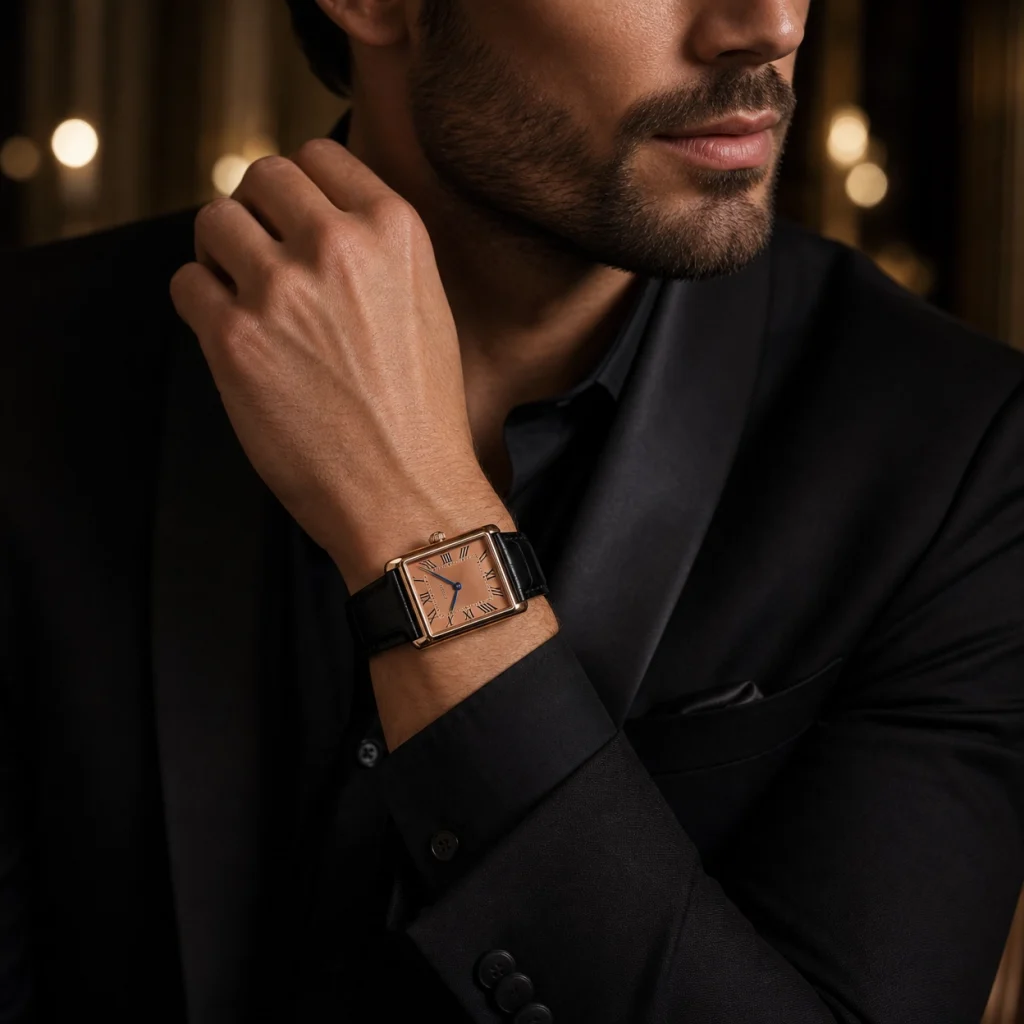
Brown leather pairs beautifully with vintage watches and cream-colored dials. Black leather creates a formal and luxurious appearance suitable for business attire or evening events. Suede straps offer a softer, more casual aesthetic perfect for weekends.
Comfort is another huge advantage. Leather molds naturally to the shape of your wrist over time, creating a tailored fit impossible to duplicate with metal bracelets. Many collectors describe a well-worn leather strap as incredibly personal and satisfying.
Still, leather requires care and attention. Moisture is its greatest enemy. Sweat, rain, and humidity slowly damage leather fibers, causing discoloration and unpleasant odors. Swimming with a leather strap is strongly discouraged.
When choosing the right watch strap for elegant occasions, leather remains unmatched. However, it may not be the ideal choice for sports, travel, or outdoor adventures.
NATO Straps: Military Functionality Meets Casual Style
NATO straps have exploded in popularity over the past decade. Originally designed for military use by the British Ministry of Defence, these woven nylon straps prioritize security, durability, and practicality.
The biggest strength of NATO straps is reliability. Because the strap passes underneath the watch case and through both spring bars, the watch remains attached even if one spring bar fails. This makes NATO straps extremely popular among military personnel, hikers, divers, and outdoor enthusiasts.
Another reason collectors love NATO straps is customization. They come in countless colors, patterns, and textures. Changing from a black NATO to a striped military design completely alters the personality of a watch.
Comfort also plays a major role. Nylon straps are lightweight, breathable, and ideal for hot climates. They dry quickly after exposure to water, making them excellent for swimming or beach vacations.
When choosing the right watch strap for casual wear, NATO straps provide unbeatable flexibility and affordability. Many collectors own large collections of NATO straps because they are inexpensive yet transformative.
However, NATO straps are not universally appropriate. Their sporty military aesthetic rarely works well with formal business attire or black-tie events. Additionally, because the strap sits underneath the watch case, it adds noticeable height on the wrist.
How to Match Straps with Different Watch Styles
Understanding watch categories helps significantly when choosing the right watch strap. Different watches naturally pair better with certain materials and textures.
Dive watches generally perform best on steel bracelets or rubber straps because of water exposure. Leather often feels inappropriate on professional dive watches.
Dress watches typically shine on leather straps. Thin black or brown leather enhances elegance and allows the watch to slide comfortably under a shirt cuff.
Field watches and pilot watches pair beautifully with NATO straps or distressed leather. These combinations emphasize their rugged military heritage.
Chronographs offer the most flexibility. Racing chronographs look fantastic on leather rally straps, steel bracelets, or sporty NATO options depending on the occasion.
Vintage watches require extra consideration when choosing the right watch strap. A modern glossy strap may clash visually with an aged dial or patina. Softer vintage-style leather usually creates a more harmonious appearance.
Important Tips Before Buying a New Watch Strap
Before purchasing any strap, measure your lug width carefully. Common sizes include 18mm, 20mm, 21mm, and 22mm. Incorrect sizing leads to poor fit and potential instability.
Pay close attention to hardware quality as well. Cheap buckles and clasps can ruin the experience even if the strap material feels premium.
Color coordination matters enormously when choosing the right watch strap. Match leather tones with your shoes and belt for formal situations. Consider dial color and case finishing before selecting strap colors.
If possible, invest in quick-release spring bars. They allow effortless strap changes without specialized tools, encouraging experimentation and versatility.
Finally, do not hesitate to experiment. Some of the most exciting strap combinations break traditional style rules entirely.
Conclusion
Mastering the art of choosing the right watch strap is one of the most rewarding skills in modern watch collecting. A simple strap swap can completely redefine the appearance, comfort, and functionality of your favorite timepiece.
Steel bracelets deliver unmatched versatility and durability for daily wear. Leather straps provide timeless sophistication and emotional warmth. NATO straps offer rugged practicality and endless customization for adventurous lifestyles.
Instead of purchasing multiple expensive watches, collectors can unlock tremendous value simply by choosing the right watch strap for different occasions. With a thoughtful selection of straps in your collection, one watch can effortlessly adapt to business meetings, formal dinners, outdoor adventures, and relaxed weekends.
Ultimately, choosing the right watch strap is about expressing personality and maximizing the enjoyment of every watch you own. The right strap does not merely support the watch on your wrist — it transforms the entire experience of wearing it.
