May
Automatic Watches vs Quartz Watches: Which One Should You Choose in 2026?
Choosing between Automatic Watches vs Quartz Watches can feel confusing, especially with so many luxury-inspired designs available today. Both types of watches offer unique advantages, stylish appearances, and practical everyday features. However, understanding the key differences between Automatic Watches vs Quartz Watches is essential before making your next purchase.
Modern watch enthusiasts are no longer searching for simple timekeeping devices alone. Watches have become symbols of personality, professionalism, fashion, and lifestyle. Whether you prefer elegant business attire or sporty casual wear, the debate around Automatic Watches vs Quartz Watches continues to dominate the watch industry.
In this complete guide, we will explore every important aspect of Automatic Watches vs Quartz Watches, including movement technology, durability, accuracy, maintenance costs, style appeal, and long-term value.
1. What Are Automatic Watches?
Before comparing Automatic Watches vs Quartz Watches, it is important to understand how automatic watches actually work.
Automatic watches use a mechanical movement powered by motion. Inside the watch, a rotor spins as your wrist moves throughout the day. This movement stores energy and keeps the watch running without batteries.
Many luxury collectors love automatic watches because they represent craftsmanship, engineering, and tradition. Famous premium watch brands often use automatic movements in their high-end collections because they showcase mechanical excellence.
One major reason why people choose Automatic Watches vs Quartz Watches is the emotional connection. Automatic watches feel more personal because they are powered by human movement rather than electronic components.
- Smooth sweeping second hand
- Luxury craftsmanship
- No battery replacement required
- Strong collector value
- Traditional mechanical engineering
However, automatic watches also require regular servicing and may lose a few seconds per day in accuracy.
2. What Are Quartz Watches?
When discussing Automatic Watches vs Quartz Watches, quartz models are known for their incredible accuracy and convenience.
Quartz watches operate using a battery and a quartz crystal oscillator. Once electricity passes through the crystal, it vibrates consistently and keeps extremely accurate time.
Quartz technology revolutionized the watch industry because it made watches more affordable, reliable, and maintenance-friendly. Today, many consumers still prefer quartz watches for daily wear because they are practical and easy to own.
- Extremely accurate timekeeping
- Affordable pricing
- Low maintenance
- Lightweight construction
- Long battery life
Compared to automatic models, quartz watches are ideal for people who prioritize precision and simplicity. In the debate of Automatic Watches vs Quartz Watches, quartz often wins in convenience.
3. Accuracy Comparison Between Automatic Watches vs Quartz Watches
Accuracy is one of the biggest differences in Automatic Watches vs Quartz Watches.
Quartz watches are significantly more accurate than automatic watches. Most quartz movements only lose a few seconds per month, while automatic movements may lose several seconds each day.
If precision matters most to you, quartz watches are usually the better option. Professionals who rely on exact timing often prefer quartz models because they require minimal adjustments.
However, many luxury collectors still choose automatic watches despite lower accuracy. Why? Because automatic watches offer mechanical artistry and emotional value that quartz watches cannot fully replicate.
The accuracy debate in Automatic Watches vs Quartz Watches ultimately depends on your priorities. If you value convenience and precision, quartz wins. If you value craftsmanship and tradition, automatic watches stand out.
4. Design and Luxury Appeal
Style plays a huge role in choosing between Automatic Watches vs Quartz Watches.
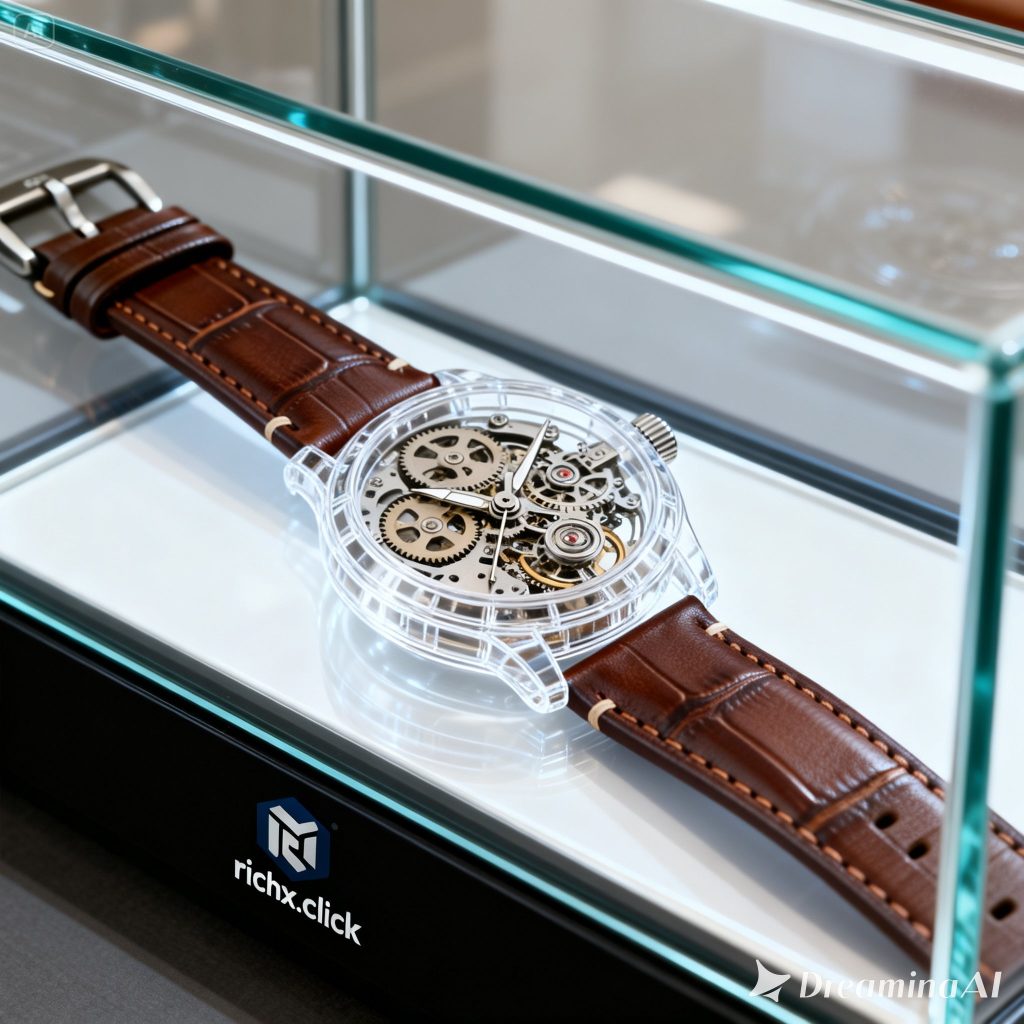
Automatic watches are often associated with luxury, prestige, and premium craftsmanship. Many high-end brands design automatic watches with exhibition case backs, allowing users to admire the movement inside.
The smooth sweeping motion of automatic watches also creates a sophisticated visual experience that many collectors appreciate.
Quartz watches, on the other hand, are often designed for practicality and modern functionality. They can be slimmer, lighter, and more affordable while still offering attractive luxury-inspired aesthetics.
In recent years, modern fashion trends have made both automatic and quartz watches extremely stylish. Whether you prefer minimalist business designs or bold sports chronographs, the market offers endless choices in Automatic Watches vs Quartz Watches.
- Stainless steel cases
- Sapphire-inspired crystal glass
- Genuine leather straps
- Water-resistant construction
- Lightweight titanium designs
Both watch types now combine fashion with durability, making them suitable for everyday use.
5. Maintenance Costs and Durability
Another critical factor in Automatic Watches vs Quartz Watches is long-term maintenance.
Automatic watches require regular servicing because they contain hundreds of moving mechanical parts. Over time, lubrication inside the movement can dry out, affecting performance.
Experts recommend servicing automatic watches every 3 to 5 years. While this keeps the movement functioning properly, servicing costs can become expensive.
Quartz watches are much easier to maintain. Most only require battery replacements every few years, making them highly convenient for everyday users.
Durability also differs in Automatic Watches vs Quartz Watches.
Automatic watches have more delicate internal mechanisms and are sensitive to shocks and magnetism. Quartz watches are generally more shock-resistant and better for sports or outdoor activities.
If you want a hassle-free ownership experience, quartz watches are usually the smarter option.
6. Investment Value and Collectibility
Collectors often prefer automatic watches when discussing investment potential in Automatic Watches vs Quartz Watches.
Luxury automatic watches from respected brands can increase in value over time. Vintage mechanical watches are highly sought after because they represent heritage and craftsmanship.
Quartz watches rarely appreciate in value unless they are extremely limited editions or historically significant models.
For collectors, automatic watches offer emotional satisfaction, mechanical complexity, and prestige. This is one reason why the conversation around Automatic Watches vs Quartz Watches remains so popular among enthusiasts.
7. Which Watch Is Best for You?
The final choice between Automatic Watches vs Quartz Watches depends entirely on your lifestyle and preferences.
If you value luxury craftsmanship, traditional engineering, and collector appeal, automatic watches are an excellent investment.
If you prefer affordability, accuracy, convenience, and low maintenance, quartz watches are likely the better option.
Many experienced collectors actually own both types because each serves different purposes. Automatic watches are often reserved for formal occasions and luxury styling, while quartz watches are ideal for everyday wear.
Conclusion
The debate around Automatic Watches vs Quartz Watches will continue for many years because both offer impressive advantages. Automatic watches deliver craftsmanship, prestige, and emotional value, while quartz watches provide convenience, accuracy, and practicality.
Understanding your personal style, budget, and lifestyle needs will help you make the best decision. Whether you choose an automatic or quartz model, modern watches continue to be essential fashion accessories that combine functionality with timeless elegance. link . site
