Post
The History of Horology: How Watches Evolved Over Centuries
May
9 Fascinating Facts About the History of Horology That Changed Human Civilization
The history of horology is one of humanity’s greatest stories of innovation, precision, and scientific curiosity. From primitive sundials carved into ancient stone to modern atomic clocks capable of measuring time with unbelievable accuracy, mankind has spent thousands of years searching for better ways to track the passing moments of life.
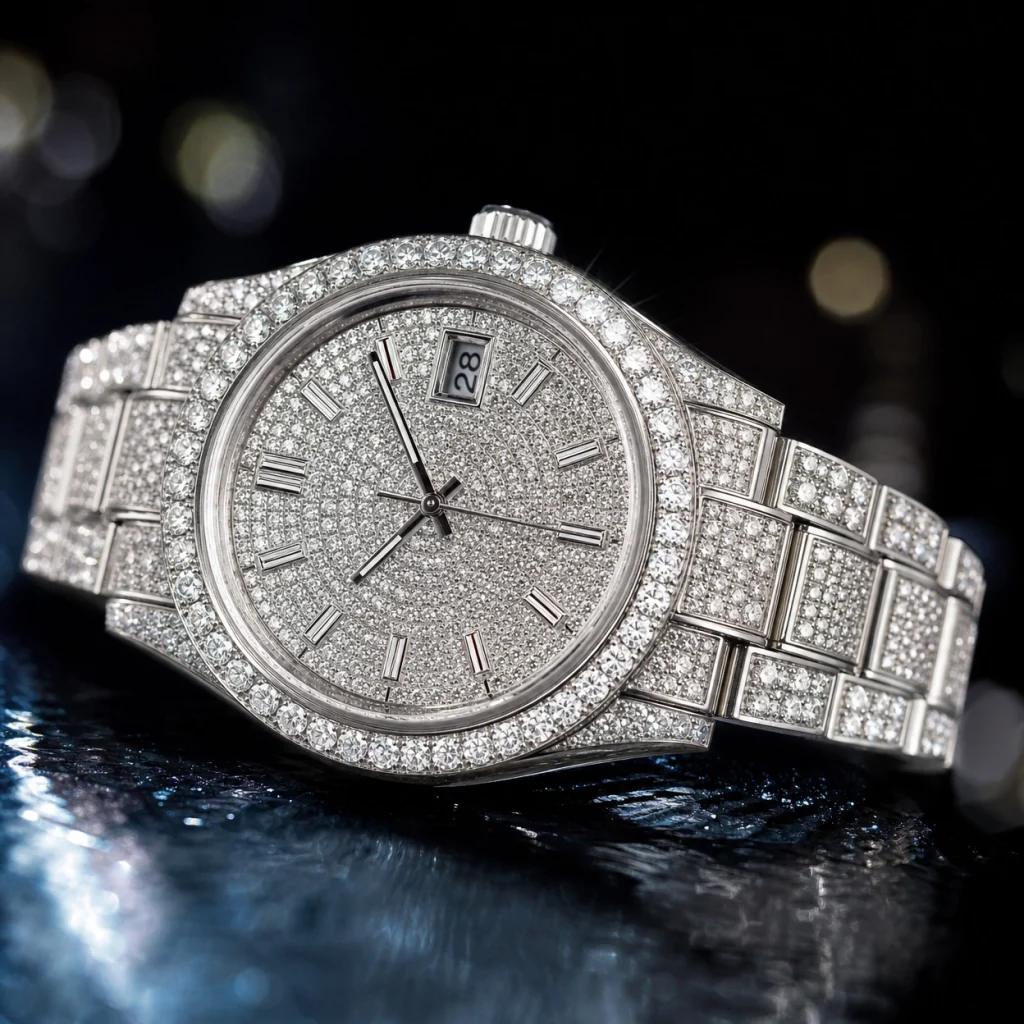
Today, modern wristwatches represent far more than fashionable accessories. Every mechanical movement, ticking seconds hand, and rotating gear carries centuries of engineering progress and artistic craftsmanship. Understanding the history of horology allows collectors and enthusiasts to appreciate the remarkable evolution behind the watches worn today.
The desire to measure time began long before mechanical watches existed. Ancient civilizations depended entirely on natural phenomena such as sunlight, shadows, and flowing water to organize agriculture, religion, trade, and social life. Over time, these simple systems evolved into increasingly sophisticated mechanisms that transformed navigation, science, warfare, and global communication.
The Ancient Origins of Timekeeping
The earliest chapter in the history of horology dates back thousands of years to ancient Egypt and Babylon. Early societies relied heavily on sundials, which used the movement of the sun’s shadow to indicate time throughout the day.
While primitive by modern standards, these devices represented a revolutionary advancement for early civilization. Sundials allowed societies to divide the day into measurable segments, improving organization and coordination across communities.
However, sundials had obvious limitations. They became useless at night, during storms, or in cloudy weather. To solve these issues, ancient engineers developed water clocks, also known as clepsydras. These systems measured time by controlling the steady flow of water between containers.
Although inaccurate compared to modern standards, these early inventions laid the essential foundation for future breakthroughs in the history of horology.
The Birth of Mechanical Clocks in Europe
A major turning point arrived during the 14th century when Europe introduced the first weight-driven mechanical clocks. These enormous machines were installed inside church towers and town squares across medieval cities.
Unlike sundials or water clocks, mechanical clocks could function continuously regardless of weather conditions or sunlight. Large gears powered by suspended weights slowly rotated while primitive escapements regulated movement speed.
The introduction of mechanical timekeeping transformed society dramatically. Communities could now synchronize daily activities more accurately, improving commerce, labor organization, and religious observance.
The rise of these early tower clocks represented one of the most important milestones in the history of horology because it marked humanity’s transition from natural timekeeping to mechanical precision.
The Revolutionary Invention of the Mainspring
During the 15th century, clockmakers achieved another breakthrough that forever changed personal timekeeping: the invention of the coiled mainspring.
Before this innovation, clocks depended entirely on massive hanging weights for power. The mainspring replaced these bulky systems with tightly wound metal springs capable of storing energy in a compact form.
This development allowed watchmakers to dramatically reduce the size of timekeeping devices. For the first time, portable watches became possible.
Early portable watches were extremely expensive luxury items worn primarily by European nobility. Many were designed as decorative pendants rather than practical tools. Even so, they represented a monumental advancement in the history of horology.
The ability to carry time personally transformed how people organized travel, appointments, and daily routines.
The Balance Spring and the Pursuit of Accuracy
Although early pocket watches were innovative, they suffered from terrible accuracy. Many could lose several hours per day, limiting their practical usefulness.
Everything changed in 1657 when Dutch scientist Christiaan Huygens invented the balance spring, also known as the hairspring. This delicate spiral spring created a highly stable oscillating rhythm that dramatically improved timekeeping precision.
With the addition of the balance spring, watches became far more reliable and accurate. Errors were reduced from hours per day to mere minutes.
Additional innovations soon followed, including the lever escapement developed by Thomas Mudge. These advancements established the mechanical principles still used inside modern luxury watches today.
Many experts consider this era the true golden age in the history of horology because it transformed watches from decorative curiosities into dependable instruments.
How the Pocket Watch Dominated Society
For centuries, the pocket watch remained the dominant form of personal timekeeping. Wealthy gentlemen carried elegant gold or silver watches attached to chains and stored inside waistcoat pockets.
Pocket watches became powerful symbols of status, professionalism, and refinement. Railroads, naval navigation, and industrial factories increasingly depended on accurate portable timekeeping systems.
During the 19th century, advancements in industrial manufacturing made watches more affordable and accessible to ordinary consumers. Mass production techniques improved consistency while reducing costs.
This period played a crucial role in expanding the influence of the history of horology beyond royal courts and wealthy elites into everyday society.
The Military Origins of the Wristwatch
Although wristwatches existed before the 20th century, they were generally considered delicate jewelry intended primarily for women.
That perception changed completely during World War I. Soldiers fighting in muddy trenches quickly realized that removing pocket watches during combat situations was both inconvenient and dangerous.
To solve this problem, troops began attaching leather straps and wire lugs to pocket watches, allowing them to wear the devices directly on their wrists.
The practicality of wrist-mounted timekeeping became immediately obvious. Soldiers could coordinate attacks, monitor synchronized operations, and track artillery timing far more effectively.
After the war ended, the wristwatch rapidly gained mainstream popularity among men. This transition became one of the defining moments in the history of horology.
The Quartz Revolution That Changed Everything
The next massive disruption arrived during the late 1960s with the introduction of quartz technology.
Traditional mechanical watches relied on springs, gears, and escapements to regulate time. Quartz movements replaced these systems with battery-powered circuits and vibrating quartz crystals.
Because quartz crystals vibrate at extremely stable frequencies, quartz watches achieved levels of accuracy that mechanical movements could not match.
Japanese manufacturers, especially Seiko, led the quartz revolution by producing highly accurate watches at affordable prices. Consumers rapidly embraced the convenience, durability, and low maintenance of quartz technology.
The sudden popularity of quartz nearly destroyed the traditional Swiss watch industry, leading to a period often called the “Quartz Crisis.”
Even though mechanical watches survived, this period remains one of the most dramatic chapters in the history of horology.
The Modern Renaissance of Mechanical Watches
Despite the dominance of quartz technology, mechanical watchmaking eventually experienced an extraordinary comeback during the 1980s and 1990s.
Collectors began viewing mechanical watches not simply as tools, but as miniature works of art and engineering. Luxury brands focused heavily on craftsmanship, finishing, heritage, and emotional storytelling.
Complex complications such as perpetual calendars, tourbillons, moonphases, and minute repeaters became symbols of elite watchmaking expertise.
Today, mechanical watches thrive as luxury collectibles appreciated for their history, artistry, and emotional connection to traditional craftsmanship.
The enduring popularity of mechanical timepieces proves that the history of horology continues to inspire modern generations of enthusiasts worldwide.
Understanding Modern Watch Movements
Modern watches generally fall into three primary movement categories: manual mechanical, automatic mechanical, and quartz.
Manual mechanical watches require the wearer to wind the crown regularly in order to store energy inside the mainspring. Enthusiasts appreciate the tactile interaction and historical authenticity associated with hand-wound movements.
Automatic watches build upon manual systems by incorporating a weighted rotor that winds the mainspring automatically through wrist movement. This innovation combines traditional mechanical beauty with modern convenience.
Quartz movements remain the most accurate and affordable option for daily wear. Their reliability and minimal maintenance make them highly practical for modern lifestyles.
Innovative hybrid technologies such as Spring Drive further demonstrate how the history of horology continues evolving even today.
Why the History of Horology Still Matters Today
Understanding the evolution of timekeeping adds tremendous depth and appreciation to modern watch collecting. Every luxury watch represents centuries of accumulated scientific discovery, artistic refinement, and engineering innovation.
From ancient sundials to atomic clocks, mankind’s obsession with measuring time reflects humanity’s broader pursuit of knowledge, order, and precision.
Modern collectors are not simply purchasing accessories — they are wearing living pieces of history on their wrists.
Whether you admire elegant dress watches, rugged dive watches, aviation chronographs, or complex perpetual calendars, every timepiece exists because generations of inventors dedicated their lives to advancing the science of horology.
Final Thoughts
The incredible history of horology reveals far more than the evolution of watches. It tells the story of human ambition, scientific ingenuity, and our endless desire to master the passage of time.
From primitive shadow clocks to ultra-precise mechanical masterpieces, the journey of timekeeping spans thousands of years of innovation and craftsmanship. Every ticking watch carries the legacy of countless inventors, engineers, and artisans who transformed humanity’s relationship with time itself.
As technology continues evolving, the fascination surrounding mechanical watches remains stronger than ever. Their emotional connection to history, craftsmanship, and tradition ensures that horology will continue captivating future generations for decades to come.
link . sitethe measurement of time.
